


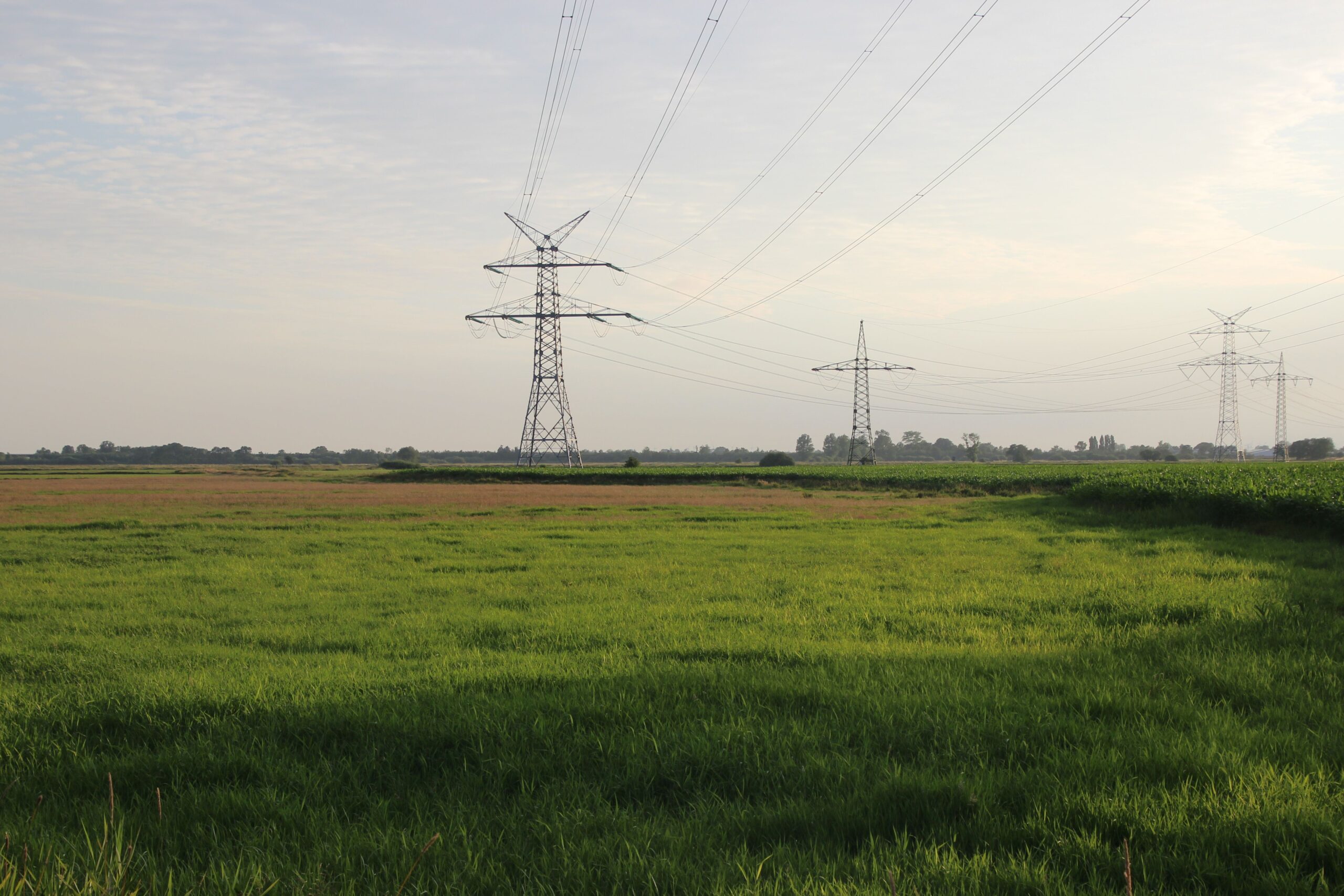
For two years a German grid connection was a queueing problem. You applied, you took your place, you waited, and the only skill that mattered was filing early.
That ended on 1 April 2026, when the four transmission system operators began running the Reifegradverfahren. Applications are now collected in fixed cycles and assessed against each other, and where capacity is short it goes to the most developed project rather than the earliest one.
By the third quarter of 2025 the operators were holding 717 connection requests totalling 270 GW, 545 of them battery storage asking for 211 GW. Filing order was allocating scarce capacity to whoever had been quickest to submit a thin application.
What the Reifegradverfahren actually scores
Four things: land and permitting status, the technical system and connection concept, the applicant’s financial standing, and the project’s benefit to the network.
Land sits with development, permitting with planning, the connection concept with engineering, financial standing with finance or the board. Those four people now have to produce one document together, to a fixed date, where a weak section pulls down everything around it.
Financial standing is the criterion most developers underestimate. Finance teams at mid-sized developers are not used to evidencing a project’s viability to a network operator on someone else’s timetable, and evidence assembled in a hurry reads like evidence assembled in a hurry.
Cycles also remove what a queue gave you, which was slack. Miss a window and you wait for the next one, then explain the slip to an investment committee that had the connection date in its model.
Curtailment is moving onto your balance sheet
The government’s Netzanschlusspaket is in front of the Bundestag, and the Committee for Economics and Energy took expert evidence on it on 7 October.
The bill would let distribution network operators designate congestion areas for up to six years where annual curtailment reaches at least 5%. Inside one, part of your curtailed output earns nothing: 18% in wind priority areas, 20% elsewhere.
Those figures can still move in committee. The principle underneath them is less likely to. Location-specific curtailment stops being something the network operator absorbs and becomes an input to your revenue model, which means someone has to produce that number site by site before capital is committed.
The roles this creates
A submission that scores well needs one owner who can read a connection concept, chase a permitting authority and assemble a financial case without three teams translating for each other. Netzanschlussmanager is the title that has attached itself to the job. The authority matters more than the title: this person has to be able to commit the company to dates without going round the houses first.
Most developers we talk to have that capability sitting with one or two people, and when one of them leaves mid-cycle the submission tends to leave with them.
How large a function the pipeline justifies is worth settling before you hire. At a handful of projects a year it is one senior person with direct board access. Past that it splits: someone owning submissions and the cycle calendar, someone on grid and high-voltage engineering, and analytical support on curtailment and location. Hire too junior and the submissions do not score. Build ahead of the pipeline and you carry cost against projects that have not reached a decision.
The competition for all of these is wider than it looks, because the transmission and distribution operators need the same profiles to run the process and the consultancies need them to advise on it.
Where we come in
SR2 Clean Energy places engineering and commercial people across battery storage, grid and energy transition businesses in Germany. Grid connection and high-voltage specialists produce the shortest shortlists of anything we work on.
If you are working out whether this function is one hire or three, and what it costs, that conversation is more useful before the next cycle opens than after you have missed one.
Working in grid connection or high voltage? See our open roles or send us your CV.
Building the function? Talk to the SR2 Clean Energy team.