
Industrial heat accounts for two-thirds of industrial energy demand, but gets a fraction of the attention paid to grid batteries or EVs.
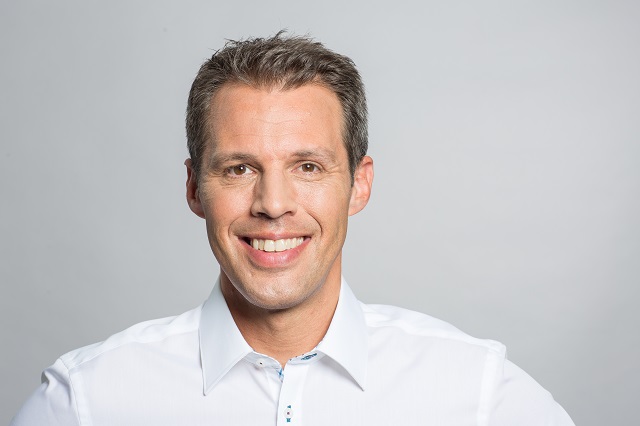
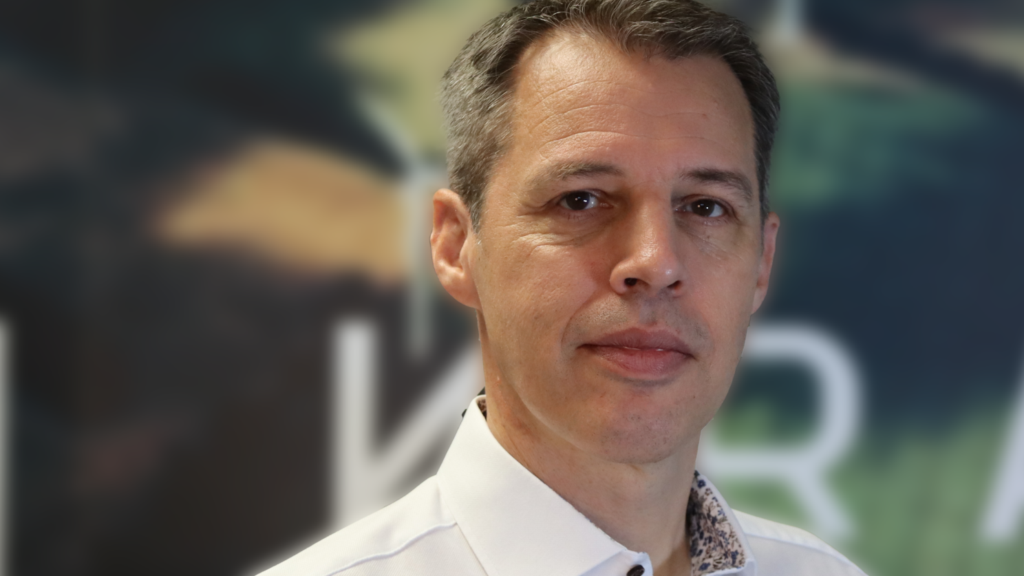
Martin Schichtel is CEO and co-founder of KRAFTBLOCK – a Saarland-based thermal storage business and one of Germany’s fastest-growing clean energy companies, with headcount up 56% in the last 12 months.
We sat down with Martin to talk about why heat is the next frontier of the energy transition, what European industry is actually buying right now, and why the next wave of clean energy talent might not be where you’d expect to find it.
From your perspective, why do you think high-temperature thermal storage has been historically under-discussed in the energy transition conversation?
There’s a psychological element to it. When people talk about energy, they think electricity. You turn on a light, you charge your phone – electricity is all around you. But heat? You only think about it in winter when your heater is too cold, or in summer when you turn on the AC. Otherwise it’s hidden in the cellar – and hidden in almost every product you use, from textiles to food to paper.
Heat is going to follow the same path electricity did. 20 years ago, fossil-fired generation was the norm. Then PV came in, wind came in, and the system shifted. Heat is at the very beginning of that journey. Heat pumps have started it: you put in 1 kilowatt-hour of electricity and get 4 or 5 out as heat, so even economically it’s becoming viable. But we still need new technologies, the same way the electricity system needed new technologies 20 years ago.
Geopolitical insecurity is also accelerating it. We’ve had two fossil crises, the Russian invasion and the Iran conflict now, and gas prices have at times peaked above electricity prices in Germany. Companies want resilience, and you only get resilience if you act locally rather than relying on global energy flows. 5 years ago, decarbonising heat was nice to have. Now it’s a strategic must-have.
China isn’t sleeping. They’re producing green steel that complies fully with European regulations, at two-thirds of the cost. European steel has to invest if it wants to survive.”
German industry’s challenges include energy costs, carbon pricing, and investment getting pulled toward the US. When you’re sitting down with a steelmaker or a food producer, how has that conversation changed in the last 18 months?
The conversations have gotten harder because the situation has gotten harder. But customers have fully recognised it now, and they’re willing to act.
German steel was heavily betting on hydrogen. Billions in subsidies went into converting steel plants to hydrogen. Now they realise that this system isn’t where it needs to be, and they need other solutions to stay competitive. China isn’t sleeping. They’re producing green steel that complies fully with European regulations, at two-thirds of the cost. If European steel wants to survive, it has to invest. That’s the story now, and there’s a real urgency to it that wasn’t there before.
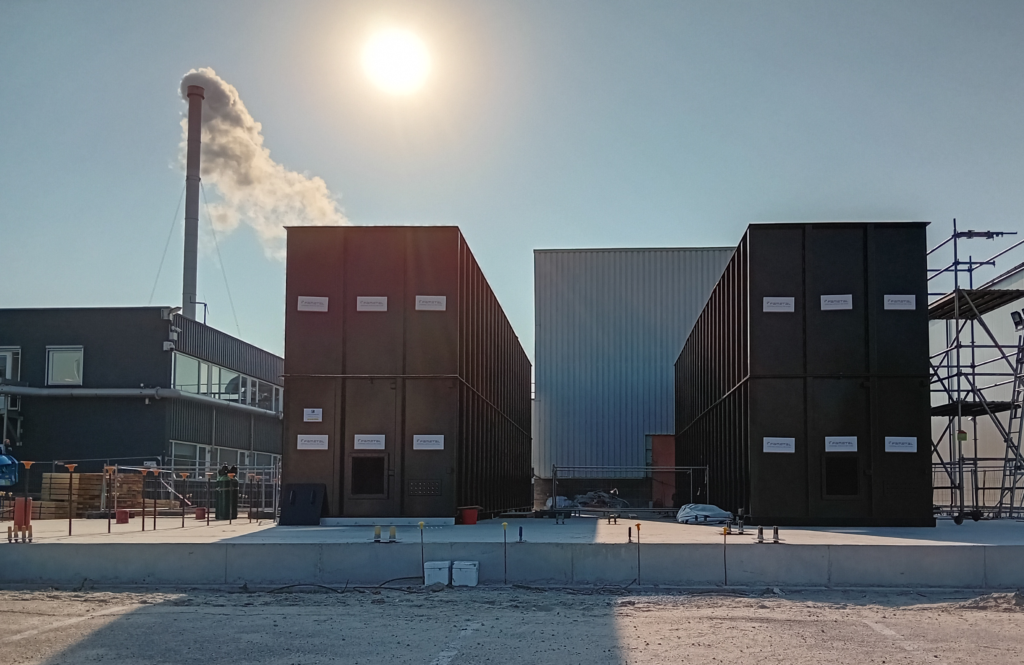
The Tata Steel project in Jamshedpur put Kraftblock on the map. Once you’ve delivered a project like that, what becomes the bottleneck to rolling the technology out more widely?
It depends on the application. I usually try to avoid saying ‘it depends’, but it’s true.
For waste heat recovery, the barriers are low. We’re seeing payback periods under 3 years, which is faster than we expected, and we have live performance data from Tata we can put in front of the next customer. The bigger issue is that waste heat has been underestimated for decades. If you burn 100% gas, you’re throwing away around 40% as waste heat – and nobody really took care of that historically. That’s changing fast.
Electrification of heat is more complex. You’re sitting between the heat application and the electricity market, and the financing has to work in both. It’s not only “electricity in, heat out” like a battery. The system is more sophisticated in integration than that.
Thermal storage is starting to attract serious attention. How do you see the category maturing, and what makes Kraftblock’s approach different?
We all deliver heat, and most of us use electricity as an input. The differentiator is flexibility.
Other thermal storage suppliers have integrated their heaters into the storage itself. That limits how fast you can charge versus discharge, and it makes maintenance harder. If you need to service a heater, you have to cool the whole storage down, take it apart, and ramp it back up. That’s downtime, and customers want uptime. Our heaters sit outside the storage.
Another aspect is that we can connect to waste heat recovery, to electricity, or to concentrated solar thermal. 3 input sources, not 1. We can also charge 10 times faster than we discharge if the application needs it. And because the system is modular, we can fit it into brownfield sites where space is tight, which is most industrial environments.
Over the next 2 years, I think we’ll see strong growth in deployments. We’re past the “first of its kind” problem – there are working systems in the market from Kraftblock and a handful of other companies. Customers can point at industrial deployments and say “that works, we can use it too.” That’s how categories scale.
In Saaland, you can buy a house with a garden. In Munich, you’d be lucky to buy a sixty-square-metre flat.
You’ve grown headcount by over 56% in a year. How have you found hiring in Saarland, and what’s the story behind the location?
Berlin, Munich, Hamburg are great startup spots, but they’re not scale-up spots for hardware. They’re too expensive unless you’re building software. Berlin is probably 80% software.
Saarland works for us because we’re close to the steel belt of the region we have steel mills here, we’re near North Rhine-Westphalia. The universities feed into engineering and renewables, and we have strong connections into France and Luxembourg. There are a lot of engineers in the region who’ve worked in heavy industry and want to do something new and something sustainable.
The other piece is cost of living. We hire many engineers who want to start families. Here you can buy a house with a garden. In Munich, you’d be lucky to buy a 60-square-metre flat. And Saarland has a slogan: you know how to work, but you also know how to enjoy your life. The food, the wine, the French influence. That combination is attractive once people come and see it.
Across the report we saw a clear pattern: companies scaling clean energy aren’t competing for one type of profile, they’re competing for several at once. What roles have you found hardest to fill?
All of them are difficult, but our approach is different from most. We hired generalists first – early engineers who knew a bit of electrical, a bit of mechanical, a bit of simulation. Now we’re moving toward specialists with hybrid profiles. Someone deep in one area, who can also contribute somewhere else, because at our scale a pure specialist would only be using 30% of their capacity on their core work.
That means when we look at a CV, we’re not just looking at the headline expertise. We’re asking where else this person could add value while their specialist workload ramps up. It makes profiles harder to define, but it makes hiring decisions easier once you meet the right candidate.
You’re at around 50 people now. What does the next phase look like, and what does that mean for hiring?
Our model relies heavily on partnerships, including in manufacturing. We’ve built what we call our technicum (where we develop the manufacturing handbooks) and then we team up with producers who build our systems on site. Our role becomes supervision, QA, and having people on the ground. The team is structured to handle five to ten projects in parallel, particularly in engineering.
But scaling isn’t just engineering. It’s procurement, supply chain, contract management, business development. We have a hiring plan that runs through 2030 with a clear breakdown by function, and most of the weight sits in engineering. That’s where we need to keep getting it right.
Kraftblock is one of 50 organisations featured in SR2’s definitive ranking of Germany’s fastest-growing clean energy companies. 12 months of verified headcount data, the leaders driving the sector forward, and exclusive insights on where the market is heading next.
Across Germany’s clean energy ecosystem, execution is becoming the differentiator. SR2’s Clean Energy team is already working alongside the organisations building, hiring, and scaling in the space – from BESS and renewable generation to the industries enabling them.