
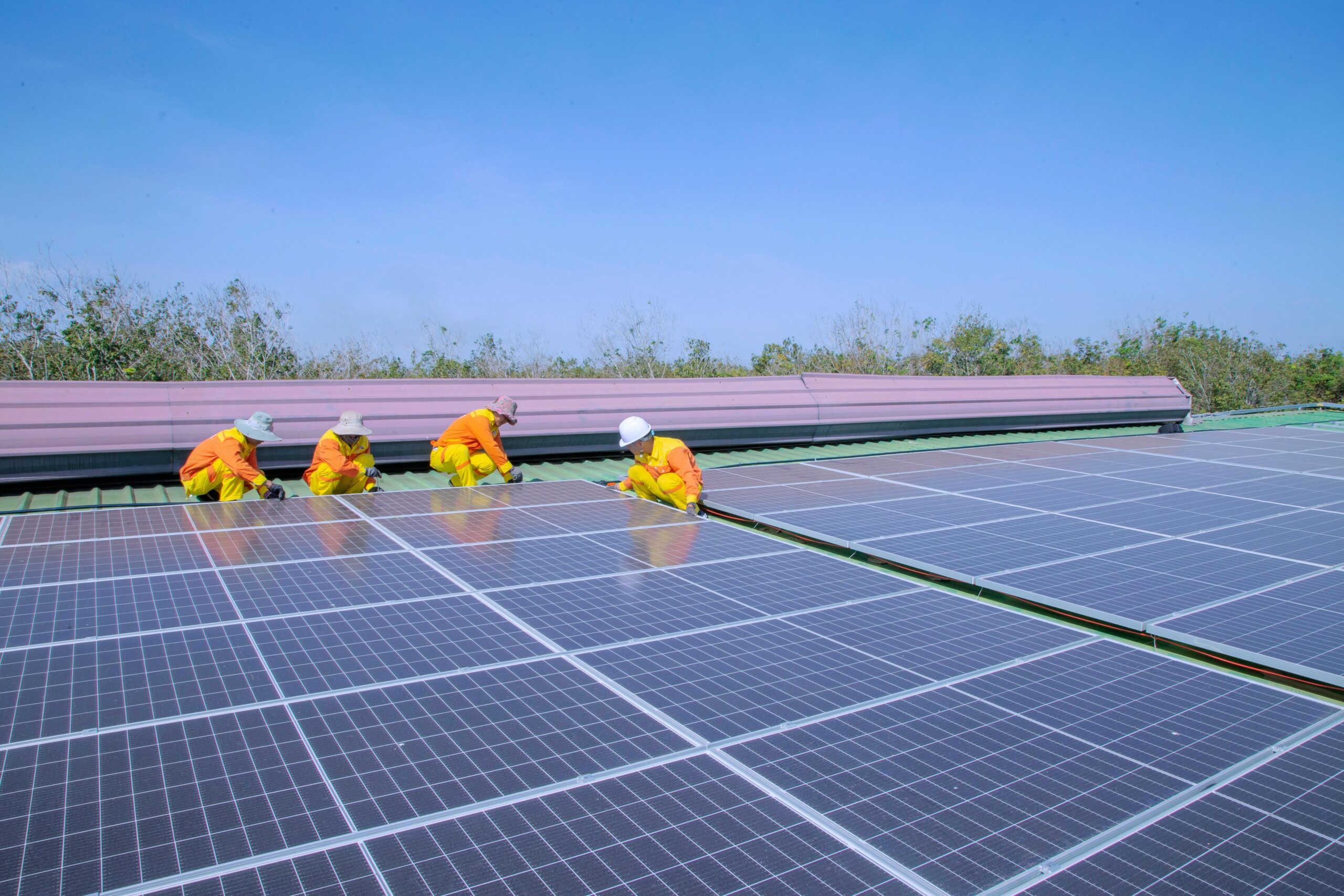
Germany isn’t short on ambition – renewables already account for over 55% of electricity consumption, with a target of 80% by 2030.
On paper, that trajectory looks strong. In practice, project timelines are still slipping, costs are rising, and delivery risk is increasing.
Across solar, wind, and storage, the same bottlenecks keep surfacing and they’re starting to define who gets projects built, and who doesn’t.
1. Permitting and land: still the first major delay
Germany has made progress on reform, but permitting remains one of the biggest blockers to deployment.
- Complex approval processes
- Local authority fragmentation
- Environmental and land-use constraints
Even with legislation pushing for 2% of land to be allocated to wind by 2032, land availability and permitting complexity continue to slow projects down.
There’s a misconception that this is purely regulatory, but the real issue is capacity in authorities and project teams.
Developers are now competing for:
- Permitting specialists
- Environmental planners
- Land acquisition experts
Without that capability in place early, projects stall long before construction.
This is where we’re seeing clients shift their approach: building out permitting and development teams earlier in the lifecycle, rather than reacting once delays hit.
2. Grid constraints are now a commercial risk, not just a technical one
Grid access used to be a downstream consideration but it’s now central to project viability.
Across Germany (and wider Europe), projects are being delayed by:
- Long grid connection queues
- Capacity shortages
- Slow infrastructure upgrades
In some cases, grid expansion is lagging so far behind that projects face multi-year delays, with major transmission builds still incomplete years after planning.
At the same time, demand for connection is accelerating:
- Solar + wind capacity scaling rapidly
- Battery storage projects competing for access
- Increasing electrification across industry and transport
The result is a growing mismatch between generation and infrastructure. You can secure land, secure funding, and still fail at grid connection.
3. Regulatory complexity is increasing
There’s a push to simplify processes. But in reality, developers are navigating:
- Evolving grid access rules
- Changing remuneration structures
- New storage and co-location frameworks
Germany’s energy market is in a state of constant regulatory evolution, creating both opportunity and uncertainty for developers.
Teams need people who can interpret and act on policy changes, auction structures, and compliance requirements
Without that, projects lose momentum – or miss opportunities entirely.
At SR2 Clean Energy, we’re seeing a clear trend: developers are hiring hybrid profiles. People who sit between technical, regulatory, and commercial functions.
That’s not easy to find without a network already embedded in the market – and that’s what we’re here for.
4. Infrastructure is struggling to keep pace with ambition
Germany’s targets are aggressive: 215 GW solar, 115 GW onshore wind by 2030.
But infrastructure buildout isn’t matching that pace. Grid congestion, storage limitations, and system flexibility are becoming chronic structural issues.
Across Europe, this is already leading to:
- Renewable curtailment
- Delayed projects
- Increased system costs
This is where the conversation shifts from deployment to delivery capability.
5. The underlying issue is talent bottlenecks
Every challenge above ties back to the same constraint:
There aren’t enough people with the right experience to deliver at this scale.
- Permitting delays → lack of specialist planners
- Grid delays → shortage of grid engineers
- Regulatory complexity → limited hybrid expertise
- Infrastructure lag → constrained delivery teams
Germany isn’t short of projects, but it is short of delivery capacity.
What developers are doing differently now
The developers still hitting timelines aren’t solving different problems. They’re approaching them differently, and the shift happens much earlier in the lifecycle.
Instead of waiting for grid or permitting to become blockers, they’re building that capability in from the outset. Instead of hiring for role coverage, they’re prioritising people who’ve delivered similar projects under the same constraints.
Most importantly, they’re treating delivery risk as something to solve upfront – not something to react to once timelines start slipping.
That difference is subtle on paper but it’s what keeps projects moving in practice. Once delays start to compound, hiring becomes reactive (and reactive hiring rarely catches up.)
Where SR2 Clean Energy comes in
Most developers don’t realise where projects are going to slow until they’re already in it.
Grid timelines slip. Permitting drags. Internal teams get stretched. And by the time hiring becomes a priority, the market has already moved.
That’s the gap SR2 Clean Energy works in.
We partner with clean energy developers across Germany to build the capability that keeps projects moving before delays start compounding.
If you’re scaling a pipeline, entering the German market, or already seeing pressure on delivery, now is the time to fix it.